Build an AI meeting brief that helps you prepare
An AI meeting brief brings the right account context, recent decisions and open questions into one reviewable document before a conversation.
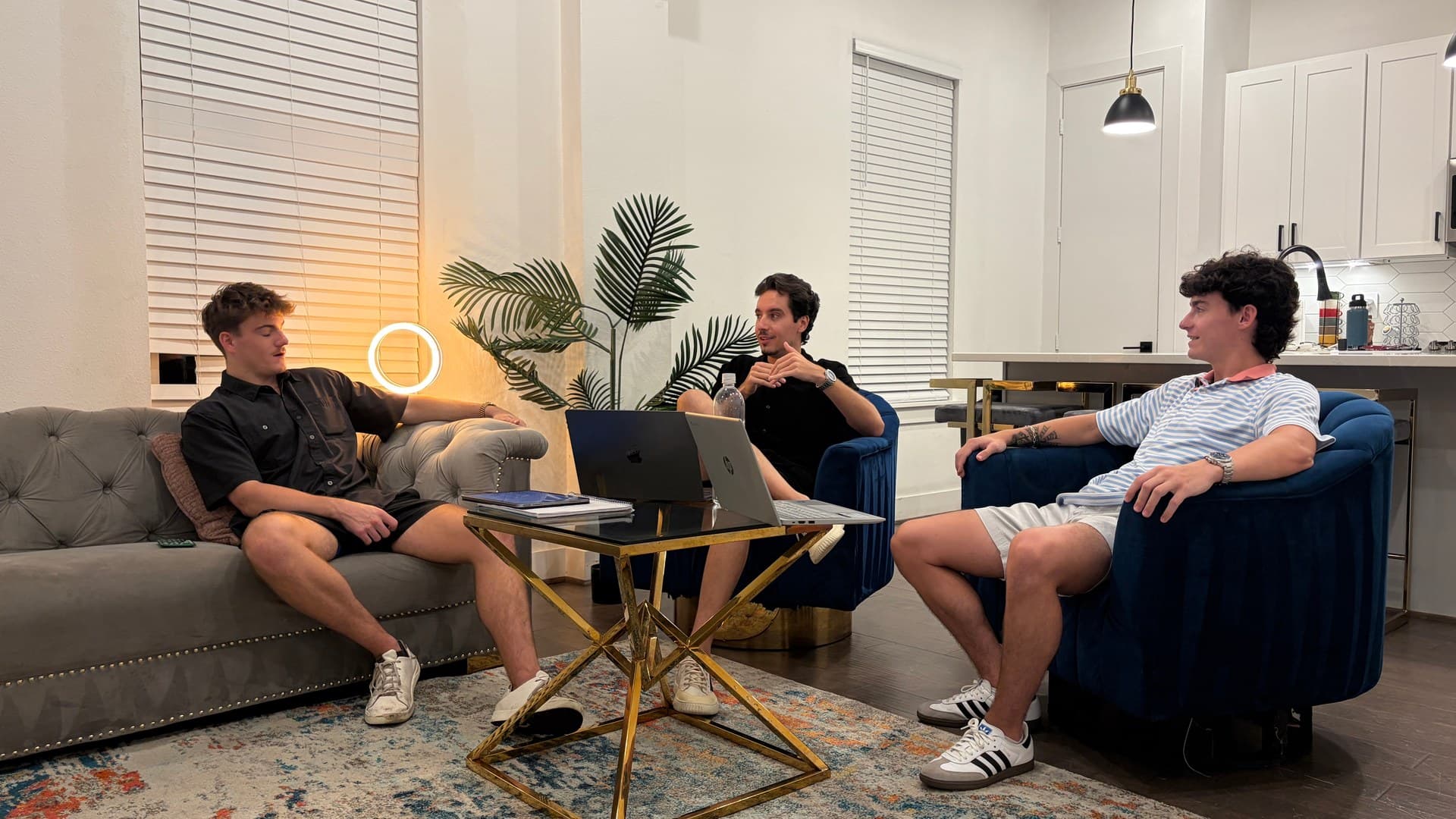
An AI meeting brief brings the right account context, recent decisions and open questions into one reviewable document before a conversation. Start with preparation rather than automatic outreach. The useful outcome is a brief the meeting owner trusts and can open, not a long summary of everything the agent found.
Define the minimum useful brief
Imagine a customer review call. The owner needs the purpose of the meeting, the latest agreed actions, unresolved issues and links to the source records. They may not need a full transcript history or speculative advice about the customer's mood.
Use the calendar event and account ID to resolve identity. If several contacts share a name, stop the lookup from silently selecting the wrong person.
Use this brief structure
- Meeting: date, participants and intended outcome.
- Context: a short account summary with current source links.
- Previous commitments: owner, due date and verified status.
- Questions: decisions or missing facts worth addressing.
- Boundaries: information unavailable or not verified for this brief.
Keep observations and recommendations separate. A missed milestone is a fact if supported by the project record; assuming the customer is unhappy is an inference that may be unwarranted.
Test with incomplete information
Remove the latest notes in a test case. The assistant should identify the gap and still prepare the parts it can support. Then change the meeting time and verify the brief reflects the current event rather than an old cached copy.
Measure whether the owner needed corrections and whether the brief reduced preparation work. Count only useful, accepted briefs in the result.
Deliver where the team works
Save the brief in the agreed workspace and verify access. A chat message can link to it, but sending notifications should follow the team's preferences. Over time, refine the brief around what people actually use before meetings instead of adding more sections by default.
Be Human editorial guidance. Examples are illustrative unless explicitly attributed. Sources provide background; implementation choices depend on your workflow.
Keep a little curiosity.